8 de Junho | Dia Mundial dos Oceanos 2026-06-05
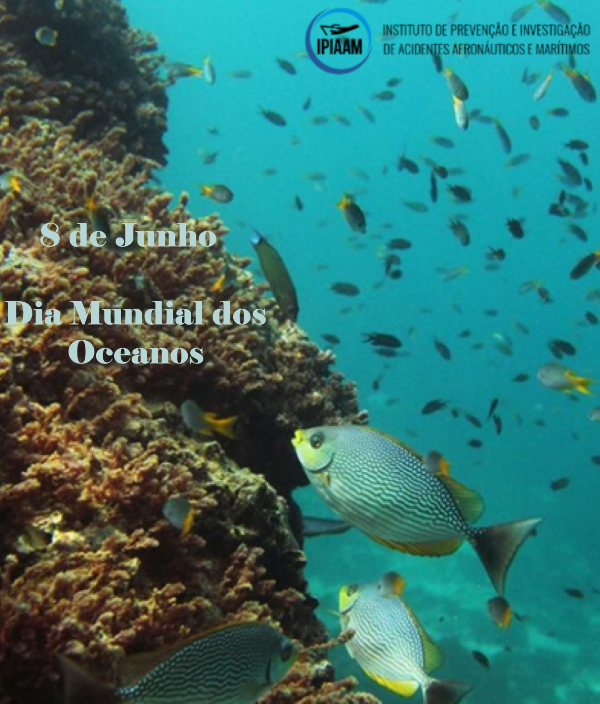
O oceano cobre mais de 70% da superfície da Terra e é essencial para a vida no nosso planeta. Sustenta o comércio mundial, regula o clima, preserva a biodiversidade e garante meios de subsistência a milhões de pessoas em todo o mundo. Proteger estes recursos vitais é fundamental para garantir um futuro sustentável às gerações presentes e futuras.
Enquanto agência especializada das Nações Unidas responsável pela segurança da navegação marítima e pela prevenção da poluição causada pelos navios, a Organização Marítima Internacional (IMO) desempenha um papel fundamental na proteção do meio marinho. Através de convenções internacionais, ações climáticas e oceânicas e parcerias globais, a IMO trabalha continuamente para promover um transporte marítimo seguro, eficiente e ambientalmente sustentável.
Ao longo de várias décadas, a IMO desenvolveu e adotou regulamentos internacionais obrigatórios, bem como recomendações e orientações, com o objetivo de reduzir os impactos das atividades marítimas no ambiente marinho e assegurar a preservação dos oceanos.
Entre as principais convenções e instrumentos da IMO dedicados à proteção dos oceanos destacam-se a Convenção Internacional para a Prevenção da Poluição por Navios (MARPOL), a Convenção Internacional para a Salvaguarda da Vida Humana no Mar (SOLAS), a Convenção Internacional sobre Prevenção, Atuação e Cooperação no Combate à Poluição por Hidrocarbonetos (OPRC) e o Protocolo OPRC-HNS (2000), a Convenção Internacional relativa ao Controlo dos Sistemas Antivegetativos nos Navios (Convenção AFS), a Convenção Internacional para o Controlo e Gestão das Águas de Lastro e Sedimentos dos Navios (Convenção sobre Gestão das Águas de Lastro), a Convenção Internacional de Hong Kong para a Reciclagem Segura e ambientalmente Correta dos Navios (Convenção de Hong Kong), a Convenção Internacional sobre Normas de Formação, de Certificação e de Serviço de Quartos para os Marítimos (STCW) e a Convenção e Protocolo de Londres.
#DiaMundialDosOceanos #IMO #Sustentabilidade #ProteçãoDosOceanos