The disappearance of the Matilde: a tragedy that left its mark on Brava island 83 years ago 2026-08-27
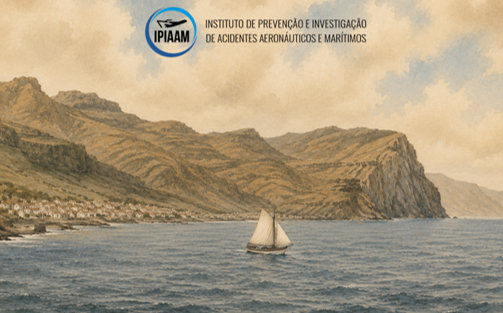
In August 1943, 83 years ago, the vessel Matilde disappeared in one of the most tragic maritime disasters in the history of Brava island. The vessel, with 53 men on board, departed from the Port of Fajã d’Água, on Brava island, bound for the United States of America, but never reached its destination.
Built in São Vicente and commanded by Nhô Henrique de Lola (Henrique Duarte Rosa), a native of Lém, in Nova Sintra, the sailing vessel embarked on its final voyage on 27 August 1943, during the Second World War. While crossing the Atlantic, it disappeared after being caught in adverse weather conditions associated with a cyclone.
The voyage took place during a particularly difficult period for Cabo Verde, marked by the devastating effects of the Second World War, which worsened living conditions and caused immense hardship for Cape Verdean families. At the time, several men on the Brava island who had become American citizens were unable to travel to the United States due to the international conflict and the lack of maritime connections. For many, the Matilde represented an opportunity to leave the island, reunite with family members, and seek a better life.
According to existing accounts, the vessel was not adequately equipped for a journey of this nature and was sailing heavly overloaded. In addition to the passengers, it carried a diverse cargo, including water and provisions, mattresses, goats, a calf, firewwood, a wooden mortar, and a mill. This cargo had previously been transported from Furna to Fajã d’Água aboard the boats Elisabeth and Santo Antão.
According to Artur Vieira, the vessel was built in São Vicente and was initially owned by Casa Carvalho, which gave it its name. Later, ownership passed to Manito Bento, a merchant from Praia, and subsequently by the brothers Daniel and Abel, sons of Mr. Ramos, a merchant from Cova Rodela, on Brava island.
The occupants of the sailing vessel were mostly from Brava, although there were also passengers from other islands, namely Boa Vista and Fogo. The disappearance of the vessel was only confirmed months later, when information arrived from the United States that there was no news of the sailing ship. The tragedy plunged Brava island into deep mourning, leaving behind a painful memory that remains alive to this day.
The story of the Matilde was reconstructed by Brava-born writer Artur Vieira in the bilingual work Matilde, Viage di distino (Matilde, Voyage of Destiny), based on testimonies and accounts of the event. The book preserves the memory of the 53 men who embarked on their journey to America and describes the circumstances surrounding that fateful voyage.
In 1993, on the occasion of the 50th anniversary of the disappearance of the Matilde, Cape Verdean emigrants in the United States had a memorial erected in Fajã d’Água in honour of the victims of this tragedy. The monument preserves, in alphabetical order, the names of the 53 men who disappeared on that ill-fated voyage.
Associated with the departure of the sailing vessel Matilde on 23 August 1943 and the farewell of its passengers and crew, the Valsa Matilde was created, composed by Silvestre Pinheiro Faria (Brava, 1924–1993) and set to music by José Medina e Vasconcelos (Brava, 1900–1953), one of the most important figures in Brava´s musical composition. The piece became one of the most significant cultural expressions associated with the memory of this tragedy. (Source: Expresso das Ilhas, “Falucho Matilde: Valsa de despedida”, 5 April 2018).
Note: The image presented is for illustrative purposes only and depicts a sailing vessel similar to those used in Cabo Verde during the first half of the 20th century.
#Matilde #BravaIsland #MaritimeMemory #CaboVerdeHistory